
Back · Pulldown and pull-up
Weighted Pull-Up
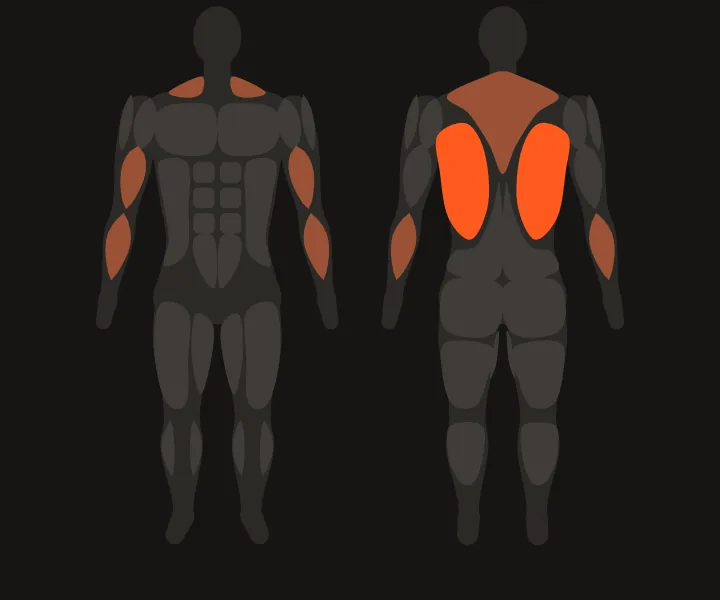
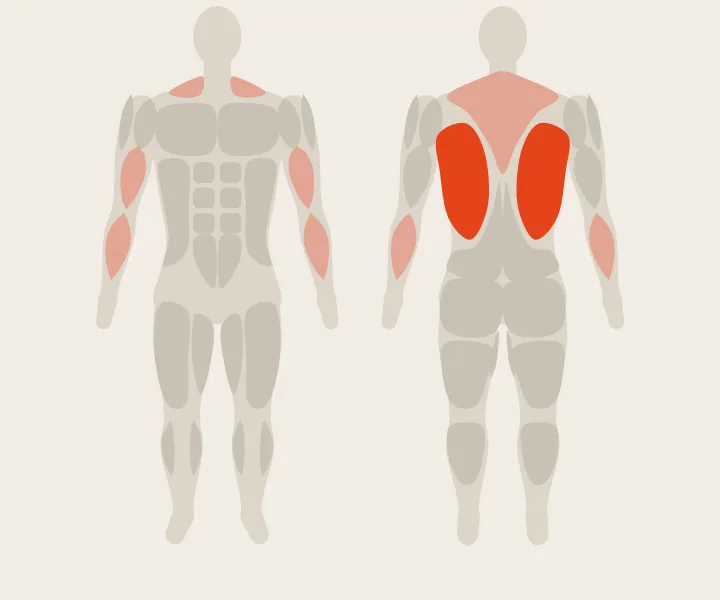
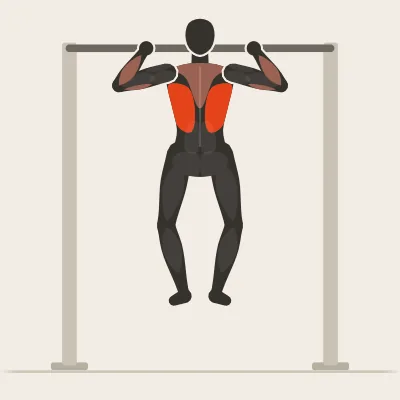
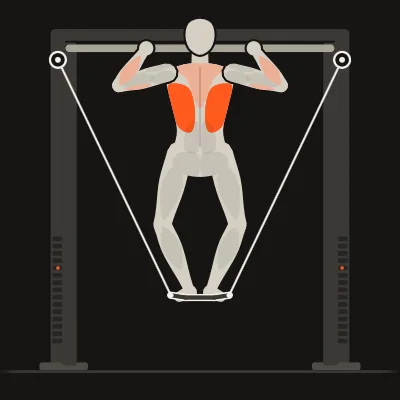
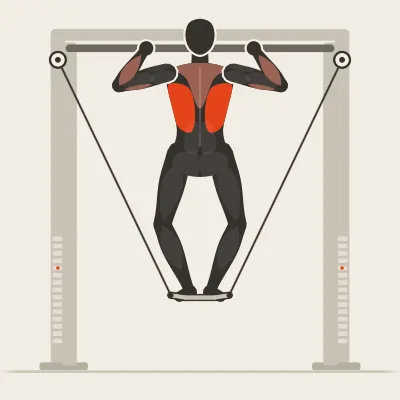
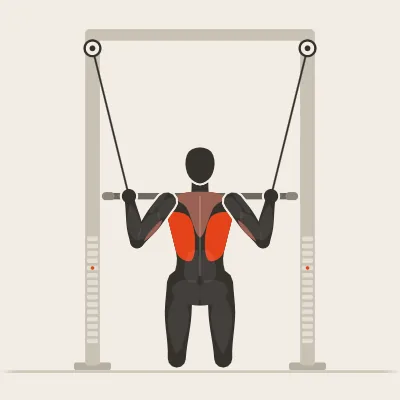
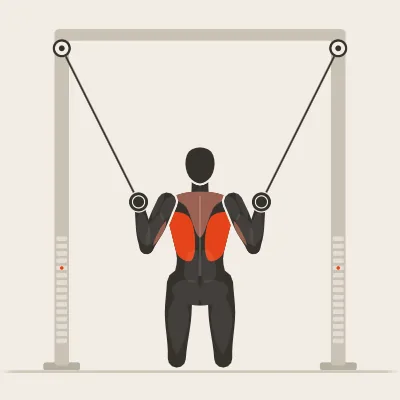
The Weighted Pull-Up mainly trains your lats. Also working: biceps, upper back and forearms.
One cable
Pull-up bar
Hip/dip belt
Stable
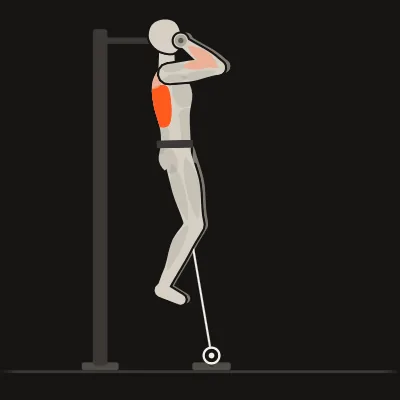

How to do it
- Put on the belt, clip the cable in at the front, grab the bar
- From a full dead hang: shoulder blades down first
- Chin over the bar, legs stay still
- Lower slowly: the cable pulls you down as well
Coach’s tip
The cable is the most comfortable added weight there is: finely adjustable, and nothing dangles between your legs. Because of the pulley ratio, you only feel half of the pinned weight.
Noticeably loads the elbow. If you tell DCFT that this joint bothers you, the app leaves exercises like this one out and picks a better supported alternative.
Setup
Pulley
Pulley at the bottom, directly under the pull-up bar
Grip
Dip belt on the cable, bar slightly wider than shoulder width
Load
One cable
You need
Pull-up bar, Hip/dip belt
Stability
A bench, the floor or the frame takes the counterforce, or the cable pulls straight up or down. Good for heavy sets.
Alternatives
Other exercises for the same movement (pulldown and pull-up). In DCFT you can swap with one tap, and the app only offers what your equipment allows.
Questions about this exercise
What muscles does the Weighted Pull-Up work?
Mainly the lats. The biceps, upper back and forearms help.
How do I set up the cable machine for the Weighted Pull-Up?
Pulley: Pulley at the bottom, directly under the pull-up bar. Grip: Dip belt on the cable, bar slightly wider than shoulder width. You also need: Pull-up bar, Hip/dip belt.
What can I do instead of the Weighted Pull-Up?
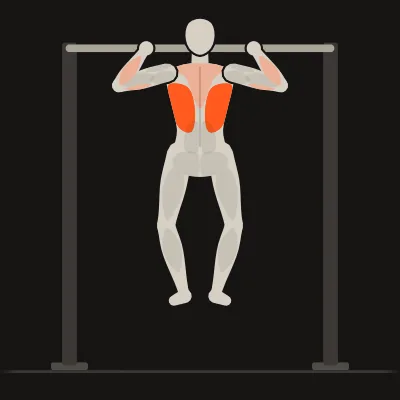
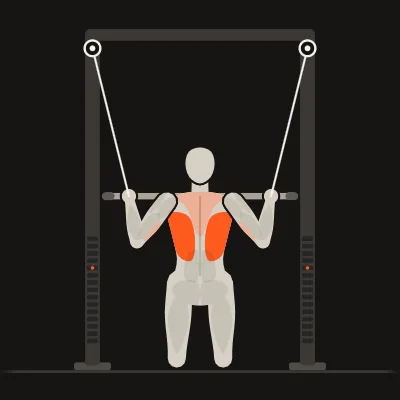
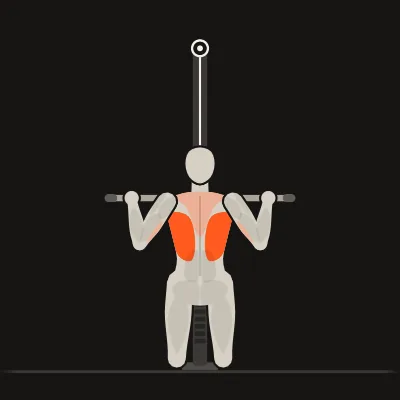
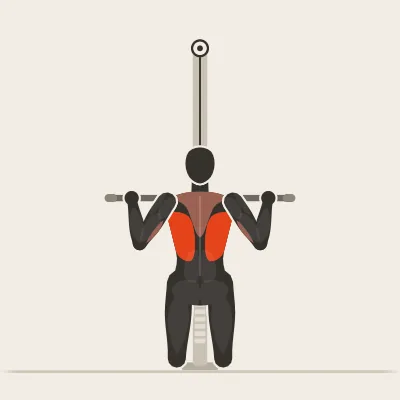
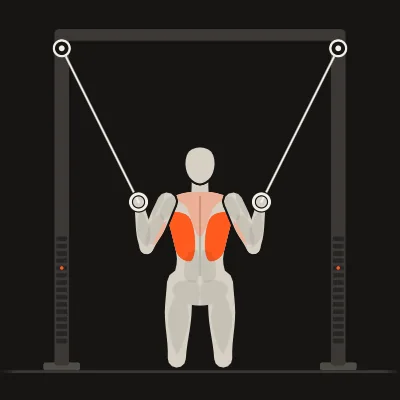
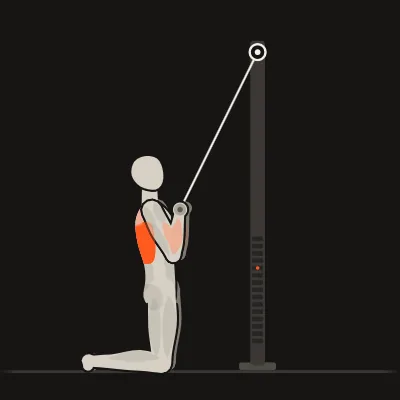
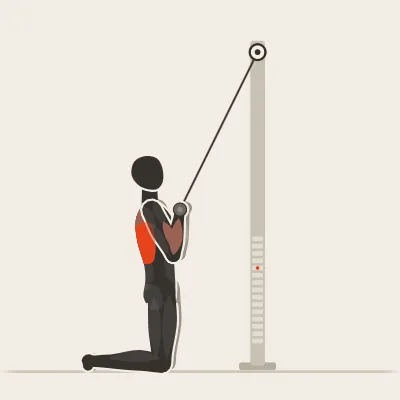
For the same movement: Pull-Up, Band-Assisted Pull-Up and Kneeling Wide-Grip Lat Pulldown. In DCFT you swap with one tap.
DCFT
The Weighted Pull-Up in DCFT
In the app this exercise comes with your weight: the plate to pin, what you lifted last time and a rest timer that starts by itself.

Free on the App Store for iPhone. Pro is a one-time purchase with no subscription.