
Glutes · Hip hinge
Cable Deadlift
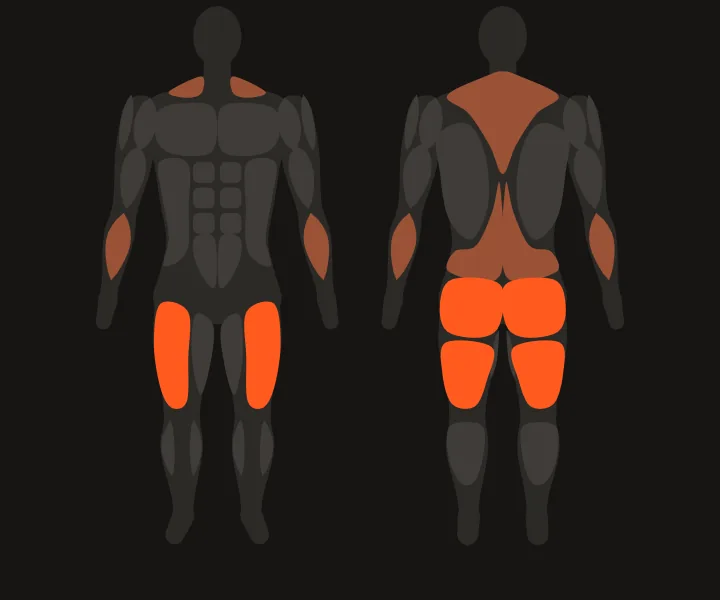
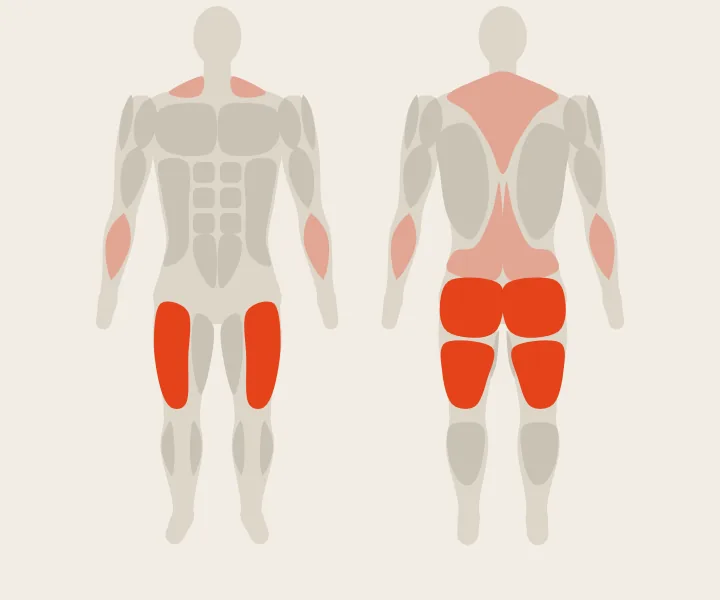
The Cable Deadlift mainly trains your glutes, hamstrings and quads. Also working: lower back, upper back and forearms.
Both cables
Stable
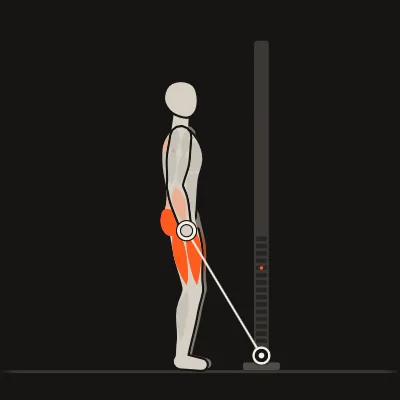
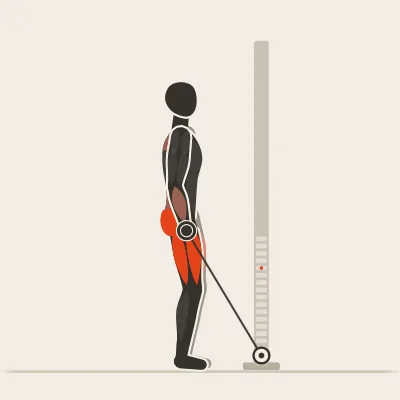
How to do it
- Stand between the pulleys, feet hip-width apart
- Hips back, knees bent, back straight
- Push the floor away and bring your hips forward
- Stand tall at the top, lower under control
Coach’s tip
With both stacks, this is where you get the most total weight. Stand on two weight plates or step platforms: otherwise the stack bottoms out before you reach the bottom.
Noticeably loads the lower back. If you tell DCFT that this joint bothers you, the app leaves exercises like this one out and picks a better supported alternative.
Setup
Pulley
Both pulleys at the bottom
Grip
Single handles beside your shins
Load
Both cables
Needs two cable towers
Stability
A bench, the floor or the frame takes the counterforce, or the cable pulls straight up or down. Good for heavy sets.
Alternatives
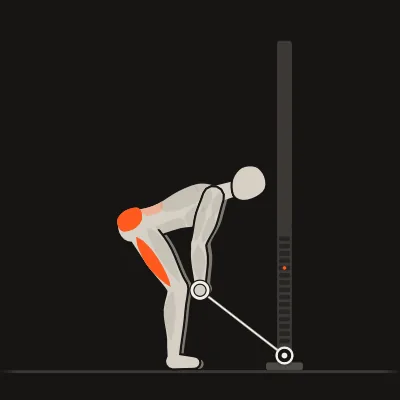
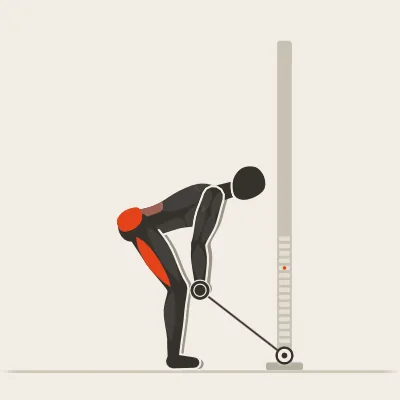
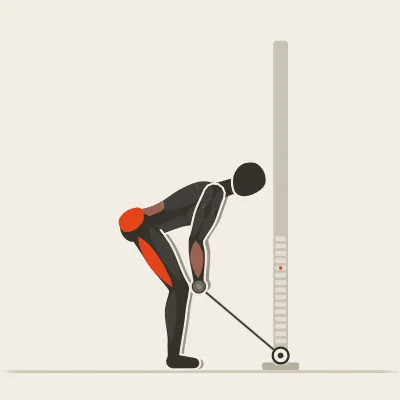
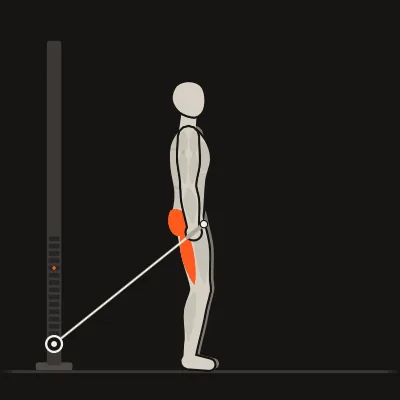
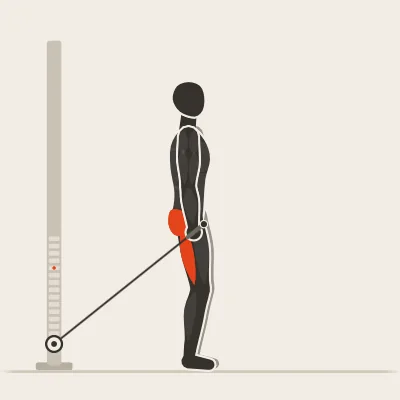
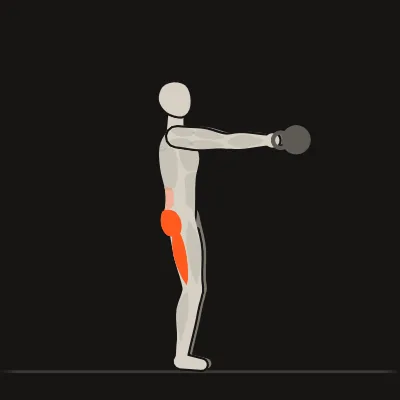
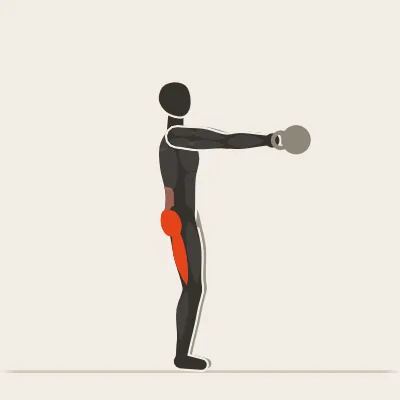
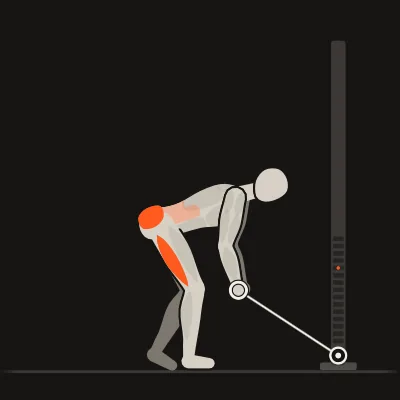
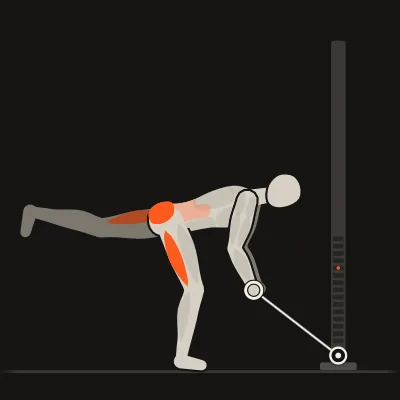
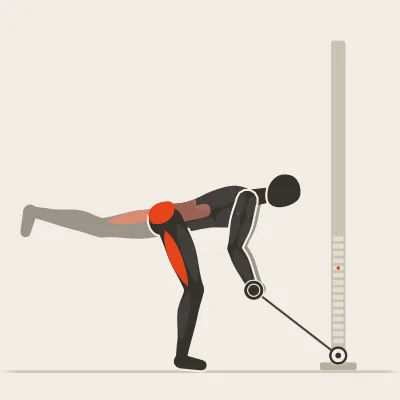
Other exercises for the same movement (hip hinge). In DCFT you can swap with one tap, and the app only offers what your equipment allows.


Questions about this exercise
What muscles does the Cable Deadlift work?
Mainly the glutes, hamstrings and quads. The lower back, upper back and forearms help.
How do I set up the cable machine for the Cable Deadlift?
Pulley: Both pulleys at the bottom. Grip: Single handles beside your shins.
Can I do the Cable Deadlift on a single cable tower?
Not like this. The Cable Deadlift needs both cables at once, so two towers. If you set up DCFT for one tower, the app leaves it out of your plan and uses exercises such as One-Cable Romanian Deadlift and Cable Pull-Through instead.
What can I do instead of the Cable Deadlift?
For the same movement: Romanian Deadlift, One-Cable Romanian Deadlift and Cable Pull-Through. In DCFT you swap with one tap.
DCFT
The Cable Deadlift in DCFT
In the app this exercise comes with your weight: the plate to pin, what you lifted last time and a rest timer that starts by itself.

Free on the App Store for iPhone. Pro is a one-time purchase with no subscription.